
You are using an out of date browser. It may not display this or other websites correctly.
You should upgrade or use an alternative browser.
You should upgrade or use an alternative browser.
Monitoring the Crypto Bubble
- Thread starter Bullion Baron
- Start date


Aelfred
Active Member
I actually enjoy this thread and it's really interesting to get the other side of the debate. Let's work constructively to establish where we've come over the past couples pages.
I think we've fairly established the following points:
I think everyone can agree on the above facts. Now I will say, again, that nobody has any evidence that Tether is manipulating the price of Bitcoin. But it sure looks like a duck and that noise it makes sounds like a quack to me. There's a lot more to talk about lately, including the CFTC settlement, but I think I'll leave it here so we can address one issue at a time. Does anyone disagree with any of the above points or can we move on to discussing the $43 million dollar fine?
I think we've fairly established the following points:
- The price of Bitcoin can be manipulated when it is trading against credits which are not backed by real money. *Please* note that I am not saying Bitcoin is being manipulated by trading against credits unbacked by real money. I'm not sure anyone can prove this. But we can safely say that the price *can* be because this is what happened with Mt Gox in 2013 thanks to Willybot and Markusbot. Mt Gox credits, ostensibly worth a dollar, were printed en masse and used to buy up 600,000 BTC, with people accounts showing credits for USD that did not actually exist. As there was no real dollars to back these things up, and the circulating supply of BTC went down drastically, BTC went to the moon, people tried to cash out and realised there was no real money there, Mt Gox shut down, BTC dumped hard, and Karpeles went to prison. You can see it in the charts, you can see it on the blockchain, all the information is public knowledge and anyone thinking that Bitcoin is magically unable to be manipulated is probably not worth talking with. Mark Karpeles, who ran the scheme, has confessed to everything, including manipulating the price upwards using these ostensibly dollar backed credits. This information and how he describes he ran the scheme is public knowledge and in court records. See the sources below. Again, this does not mean that we know Bitcoin is being manipulated. Only that it can be, because it has been in the past.
https://www.investopedia.com/news/bots-drove-bitcoins-150to1000-rise-2013-paper/
https://www.cnbc.com/2018/01/23/one-person-caused-bitcoin-to-spike-from-150-to-1000-in-2013.html
- Bitcoin is priced in Tether, not USD. We established this a few pages ago. Bitcoin trades somewhere between 80-95% against USDT (depending on the day) and the rest against fiat currencies. The argument I expect people to make here is that "well it trades against USD too so that must be the real price" and I would again refer you to look at BTC in 2013 when the price was being artificially manipulated. The BTC price on Coinbase, where it was not being manipulated, also mooned. But BTC mooned because most of the trading was on the Mt Gox exchange where Mt Gox credits were ostensibly worth $1. This is the same situation - yes, you can buy BTC with USD, but the USDT price is the real price, just like the Mt Gox price was the real price in 2013.
https://coinlib.io/coin/BTC/Bitcoin
- In the past, the small number of people behind Tether have printed billions of dollars of unbacked USDT. Again, this is something even Tether admits and accepts and has signed declarations confirming they have done this. Anyone denying it is not worth talking to because even Tether admits this. I will use Tether's 2018 source on this so that nobody tries to say that the NYAG or CFTC are engaged in "FUD" or "bias" etc. The attached letter says that Tether has $1.8b in assets. But there were 2.4b circulating USDT at the time, so it was engaged in fractional reserve banking and only 74% backed. The NYAG later found out that all this money had been deposited that morning and transferred out just hours after this attestation.
https://tether.to/wp-content/uploads/2018/11/Tether-Letter.pdf
4. The circulating supply of Tether has gone from $2b in mid 2019 to ~$71b today. This includes USDT, XAUT (Tether Gold) and EURT (Euro Tether). This is not evidence of manipulation and nobody claims it is.
https://www.coingecko.com/en/coins/tether
https://www.coingecko.com/en/coins/tether
I think everyone can agree on the above facts. Now I will say, again, that nobody has any evidence that Tether is manipulating the price of Bitcoin. But it sure looks like a duck and that noise it makes sounds like a quack to me. There's a lot more to talk about lately, including the CFTC settlement, but I think I'll leave it here so we can address one issue at a time. Does anyone disagree with any of the above points or can we move on to discussing the $43 million dollar fine?
Last edited:

yeah i disagree.
1) bitcoin was manipulated way back in 2013 when the market was really small. a lot has changed since then so the same cannot be said now.
2) bitcoin is priced in whatever you want it to be, 1 tether just happens to equal 1 usd. there are many more stablecoins you can bring the fud on.
3) again not true, they settled and admit to no wrongdoing. they say it wasnt backed by usd but assets worth the same amount of value, or more than circulating tether.
4) yes this is probably true.
1) bitcoin was manipulated way back in 2013 when the market was really small. a lot has changed since then so the same cannot be said now.
2) bitcoin is priced in whatever you want it to be, 1 tether just happens to equal 1 usd. there are many more stablecoins you can bring the fud on.
3) again not true, they settled and admit to no wrongdoing. they say it wasnt backed by usd but assets worth the same amount of value, or more than circulating tether.
4) yes this is probably true.
Aelfred
Active Member
yeah i disagree.
1) bitcoin was manipulated way back in 2013 when the market was really small. a lot has changed since then so the same cannot be said now.
2) bitcoin is priced in whatever you want it to be, 1 tether just happens to equal 1 usd. there are many more stablecoins you can bring the fud on.
3) again not true, they settled and admit to no wrongdoing. they say it wasnt backed by usd but assets worth the same amount of value, or more than circulating tether.
4) yes this is probably true.
1) I'm glad you at least admit the price of Bitcoin has been manipulated, even if you seem to say that isn't the case anymore. Some people will deny everything even though Karpeles has walked everyone through how he manipulated the price of BTC step by step in court on the public record. As to whether it can be manipulated anymore, yes the market cap of BTC is much bigger but the number of credits/stablecoins are much bigger too. Instead of $10 million of Mt Gox credits, you have $70 billion USDT. The credits/stablecoins have actually grown much faster than BTCs market cap on a % basis.
2) Bitcoin is priced in USDT. Yes, there are other stablecoins, but BTC doesn't trade against other stablecoins to anywhere near the same degree. It trades 85-90% to USDT, and something like .5% against USDC. Please open the source I provided and scroll down. In the same way cars don't trade against bananas, even though you could come up with a number of bananas you would need to buy a car, Bitcoin does not trade in other stablecoins, or even fiat currencies. It trades against USDT.
3) What settlement? This was unrelated to any settlement. How can you say this is not true? Tether themselves say this is true. What information do you have on Tether that disproves what Tether themselves have said is true? You are very clearly not agreeing with anything you don't like, despite *all* evidence to the contrary, *including evidence given by Tether themselves*. That letter comes from Tether's website, and Tether's bank. Please show me the evidence you have which says Tether is wrong about their own holdings.
Tether said "we have 2.4b USDT and $1.8b USD to back that 2.4b USDT with." If you "disagree" despite Tether saying that on their website, and Tethers bank agreeing confirming it, I'm not sure we can continue this discussion. Stuart Hoegner, the lawyer for Tether, said in court at this time "Tether is 74% backed", which matches those two numbers.
https://tether.to/wp-content/uploads/2018/11/Tether-Letter.pdf
4) "Probably" true? Probably? The number of USDt issued is not in question. Tether themselves keeps an updated tracker on their website which matches the public data from APIs. The number of Tether is public for all to see on the ETH/TRON chains. And yet you say "probably".
This is actually a good microcosm of Tether debates.
One side says "Here's the fractional reserve banking they did where they printed USDT without backing. Here's their website confirming it, here's their lawyer confirming it in court, here's their bank confirming it in writing, here's the NYAG confirming it, here are the twitter posts from Tether's execs confirming it, here are the court documents confirming it".
And the other side says "yeah i disagree".

With facts established, any thoughts on implications/scenarios and direction from here?

Here's the fractional reserve banking they did where they printed USDT without backing.
FRB is the best system. I've got no problems with that.
Aelfred
Active Member
It depends on whether you think Tether is a fraud and manipulating the price of BTC up, like what happened in 2013. Here's a very complicated chart I drew about manipulations. Feel free to run your most complex technical analysis on itWith facts established, any thoughts on implications/scenarios and direction from here?


Well this is just hyperinflation hitting BTC then.FRB is the best system. I've got no problems with that.
- If you print 80 billion USD, everything priced in USD goes slightly up, because there are a lot of things you can buy with USD and you've increased the supply of USD by 1%. The market always clears, so everything you can buy in USD needs to go up by 1% to adjust for the new money supply.
- If you print 80b USDT, everything you can buy in USDT goes up. As nobody can buy anything with USDT except crypto, and you've just increased the supply of USDT by 80,000% then the market needs to clear and the price of crypto needs to go up by about that match. Although if the peg broke and USDt stared trading for less than $1, all those very impressive gains would suddenly not look very impressive. If USDT went to $0.0001, then all those gains disappear, for example. Until the fraud was washed out of the market and BTC started trading against real dollars again.
lol im going to end the attempt to try and refute you, your brain seems to be stuck on "tether bad" and thats fine, i just will find better things to do with my time. i must have imagined that btc/aud market 
you can argue against dan held's doc which says enough for me https://www.theheldreport.com/p/dont-fear-tether
and
https://medium.com/@alexkruger/bitcoin-tether-manipulation-2976f303cd47
you can argue against dan held's doc which says enough for me https://www.theheldreport.com/p/dont-fear-tether
and
https://medium.com/@alexkruger/bitcoin-tether-manipulation-2976f303cd47
ive been reading tether fud since 2017 from bitfinexd, is this one of your alts? https://bitfinexed.medium.com/
Aelfred
Active Member
lol this guy is amazing, thank you for the link and the laughs. We need more satire like this in crypto.you can argue against dan held's doc which says enough for me https://www.theheldreport.com/p/dont-fear-tether
lmao another cracker.
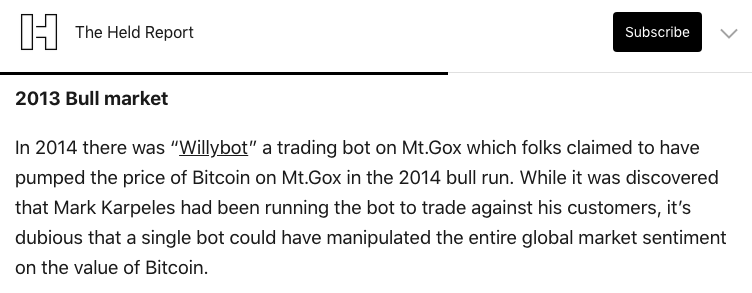
Karpeles in court in 2017: I manipulated the price of BTC by issuing fake dollars. Here's how I did it step by step. Here is the entire transaction history of Mt Gox. Here's the year where I bought 600k BTC using fake money. Here's the effect on price. Here's where the Bitcoin went. Here's the logs.
This random guy: yeah but do we know he did it??
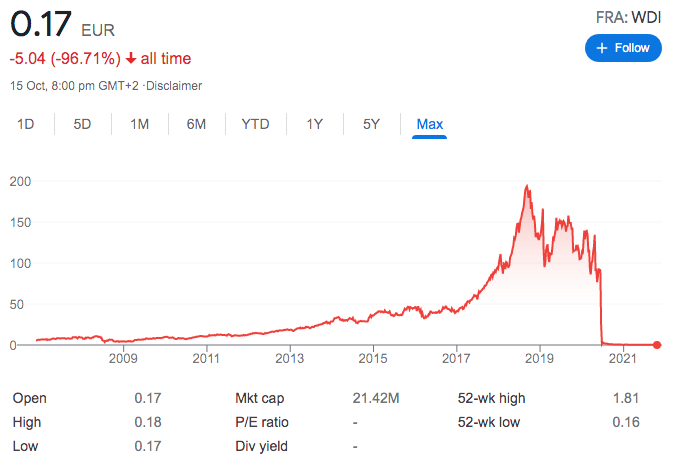
Oh shit I almost missed this! Line go up = world more gooder! Fuck, the price rose! Never mind everyone, time to go home, if it was a fraud the price wouldn't be rising, it would have dumped already. Shit, I can't believe I could have been so stupid.i must have imagined that btc/aud market
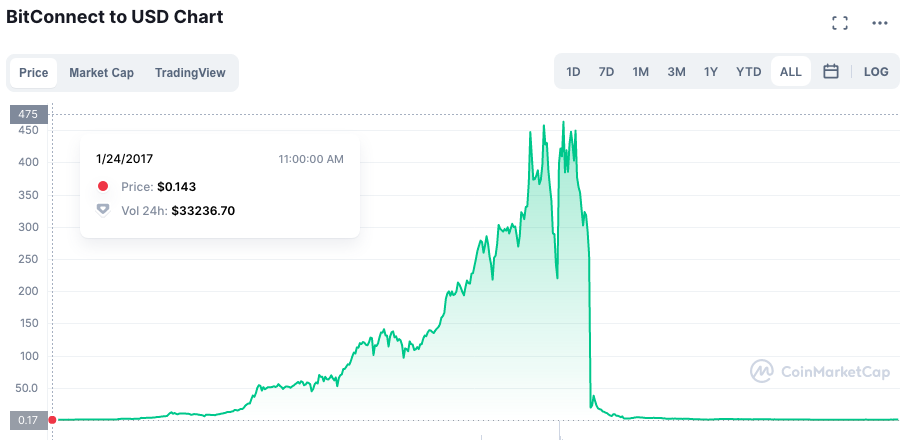
oh shit, Bitconnect did a 10,000x! It must be legit. Otherwise it could never get so high. Frauds don't go up! I guess if the market says Bitconnect is worth 100 billion dollars then that's what it's worth. Damn.
Last edited:
Well this is just hyperinflation hitting BTC then.
Just quickly, FRB and hyperinflation are two different beasts.
A FRB system doesn’t necessarily lead to hyperinflation.
If you print 80 billion USD, everything priced in USD goes slightly up
Not everything. It depends where the funds are directed and the capacity of the currency users to access those funds through wage and credit growth. Supply and demand. For example the QE banks have been engaging in recently has pushed the price of assets higher, home prices are soaring and mortgage lending has increased. Personal credit though has not soared and consumption has declined.
If you print 80b USDT, everything you can buy in USDT goes up. As nobody can buy anything with USDT except crypto, and you've just increased the supply of USDT by 80,000% then the market needs to clear and the price of crypto needs to go up by about that match. Although if the peg broke and USDt stared trading for less than $1, all those very impressive gains would suddenly not look very impressive. If USDT went to $0.0001, then all those gains disappear, for example. Until the fraud was washed out of the market and BTC started trading against real dollars again.
That's logical. But it completely ignores the demand side of the equation.
The Queensland Investment Corporation (QIC), owned by the Queensland Government, told the Financial Times it was exploring future investments in cryptocurrencies.
https://www.banklesstimes.com/2021/...nt-owned-investment-company-considers-crypto/
- . As nobody can buy anything with USDT except crypto.
many holes in this post and reasoning that i dont really have time to address but i will call out this major one that shows a lack of basic understanding of crypto.
usdt can be swapped for many things including aud and real usd on almost all major exchanges, be they decentralised or otherwise.

TreasureHunter
Well-Known Member
According to this video, 17% of Americans own Bitcoin. Really?
I wouldn't have thought even 1% have any.
I don't know if crypto ETF's would be a great idea. Futures contracts as well.
can anyone say mainstream? https://www.cnbc.com/2021/10/18/fir...debut-on-the-nyse-tuesday-proshares-says.html
they say the next crypto leap is people using it without being aware, now mum and dad have access to a bitcoin etf.
they say the next crypto leap is people using it without being aware, now mum and dad have access to a bitcoin etf.

And she's back. Letitia James just reassuring everyone that she's got the bankster's backs for them.
https://coindesk-news.com/2021/10/1...ral-orders-two-crypto-lending-platforms-shut/
In reply, Nexo issued a "WTF?" press statement:
The Office of New York Attorney General Letitia James announced in a press release today that it had sent cease-and-desist letters to two unnamed cryptocurrency companies ordering them to cease operations in New York State. Furthermore, the AG sent letters to three additional entities requesting information on their activities and products. Although the names of the entities were redacted, early images of the cease-and-desist letter and information request letter appeared to reveal the file names “Nexo Letter” and “Celsius Letter,” respectively.
https://coindesk-news.com/2021/10/1...ral-orders-two-crypto-lending-platforms-shut/
In reply, Nexo issued a "WTF?" press statement:
Nexo is not offering its Earn Product and Exchange in New York, so it makes little sense to be receiving a C&D for something we are not offering in NY anyway. But we will engage with the NY AG as this is a clear case of mixing up the letter’s recipients. We use IP-based geoblocking.
Aelfred
Active Member
https://archive.md/wXwkUFinancial Times said:A major customer of Tether has said the company lends out new stablecoins in return for cryptocurrencies — a claim that calls further into question Tether’s founding promise that it uses only real dollars to issue its tokens.
Alex Mashinsky, whose crypto lending platform Celsius Network has borrowed from Tether and counts it as an equity investor, told the Financial Times that, as part of a lending arrangement, Tether has issued its so-called USDT units in return for well-known cryptocurrencies.
“If you give them enough collateral, liquid collateral, bitcoin, ethereum and so on . . . they will mint tether against it,” he said.
“New USDT is issued for such loans,” he added, and later destroyed when the loan is closed “so it does not permanently increase USDT in circulation”.
The comments contrast with Tether’s commitments that it issues units of the world’s biggest stablecoin only in exchange for hard currency.
Mashinsky said the loans of USDT are typically at least 30 per cent overcollateralised, with the amount varying depending on market volatility. “If bitcoin drops, they give us a margin call [and then] we have to give them more bitcoin,” he added. Earlier this month, Bloomberg reported Celsius had borrowed $1bn worth of USDT from Tether.
Today's fun reveal.
Not in any real amount it can't. The whole ecosystem moves with BTC because that's where the liquidity is. Krakens USDT-USD does something like 15 million dollars in volume a day. You couldn't cash out more than 5-6m real dollars before someone noticed what you were doing and the peg broke.many holes in this post and reasoning that i dont really have time to address but i will call out this major one that shows a lack of basic understanding of crypto.
usdt can be swapped for many things including aud and real usd on almost all major exchanges, be they decentralised or otherwise.
You can't do anything with USDT except buy crypto. You can't buy furniture, you can't buy goods and services, nobody prices any real tangible object in Tether - you can only exchange it for crypto. That's it. Yes, you can sell that crypto for real money. But that is a *very different thing* and I assumed someone on a PM board would understand economics better since that's the whole idea behind the petrodollar system. You can't buy Saudi oil with Australian dollars. You need to exchange AUD for USD, then buy oil. This is a very material difference and the underlying concept forms the basis for the global monetary and trade system.
Now that we've gotten that out of the way, let's have an example.
Say somebody sent to Tether 13 billion dollars of BTC and got 10 billion USDT in exchange. What do you think they would do with this money?
A: Buy 10 billion dollars of Bitcoin/crypto. Remember, there's only about 2 million BTC in circulation, so you could send it to the moon just by buying 200-300k and drying up the supply. And don't forget you're leveraged to the tits - if you choose this option and BTC doubles in price, you can double the $ value of the BTC you have on deposit and make huge returns!
B: Buy 10 billion dollars of... uh... hmm.
The CEO of Celsius, who the NYAG just told to stop what they're doing, said they're doing option A. They are sending crypto to Tether and Tether is giving them USDT. They then lend that USDT to third parties for high rates of interest. Those third parties do *something* with that USDT, but I guarantee you it isn't withdraw it and buy US 10Y treasuries. They need to do something that pays 20% interest. That kind of reward comes with extreme risk. Alternatively they could just be Bernie Madoff'ing it and claiming they made that return while paying out with new deposits. But who knows, let's assume they're getting that kind of insane return honestly, for argument's sake.
In order to think this is not going to blow up spectacularly, you would have to think:
1) Bitcoin would never go down more than 30% in a single day
2) Even if BTC went down more than 30%, Celsius will always get enough money flowing in to be able to buy more BTC to meet their margin calls
3) The money Celsius lends out at 15% interest rates is invested in very safe, very liquid assets.
All those things aren't true. This is going to blow up. I don't know how and I don't know when, but there is no such thing as a perpetual motion machine.
I assumed someone on a PM board would understand economics better since that's the whole idea behind the petrodollar system.
Aaaah, perpetuating the petrodollar myth.
"Petropaperclip system" just doesn't have the same ring to it.